Mark Pressde
Forum Member
-
Joined
-
Last visited
Everything posted by Mark Pressde
-
This is the way I would currently go about finishing a balsa planked hull. It might not be to everyones taste or technique but it works for me. So here goes. Firstly I'd plan to to lay up the FG and apply the finishing coats of resin all in one day. So I'd start early, in a pretty warm environment. I would apply a layer of 180-200gram/m2 of fibre glass cloth to the bare balsa using 3M spray mount to tack it to the hull. Once wetted out ( I use West System Resin) using a credit card and minimum amount of back and forth stroking I'd apply a second lamination of 80-130gram/m2 FG again using the minimum amount of resin, force and stroking. Once finished I'd leave for an hour or two or until the resin is just apparently touch dry. I'd then mix up and add another coat of resin. When mixing it's best done very carefully to try and avoid as many air bubbles as possible. This is also why you don't want to be brushing back and forth too much as this will also introduce bubbles which affects the finish. Again, once after this layer has cured slightly and is in a green state I'd apply another coat and possibly one more final coat. Laminating the hull in a single day saves you a lot of sanding, cleaning and blocked up sand paper. Although, West System resin is relatively easy to use it's major draw back is the armine blush or wax which is produced whilst it cures. If this wax isn't completely cleaned off then any subsequent coat of resin or paint will be completely ruined. Hence, I have found the one day approach the easiest method. After a couple of days I'll apply two coats of resin to the inside of the hull and following that give the outside a really good clean with a tiny amount of Fairy liquid and lots of fresh water. A light sand with 120 grit sand paper and another good wash. Perhaps a small amount of P38 car body filler if required to any low areas and then you should have a hull ready for painting. I can only suggest Epifanes 2K paint. It was recommended to me by Robot Yachts and it can give a brilliant finish which is just what you want after spending many, many hours of thinking and building time. I have built myself a long box out of mdf, covered in 2"th'k insulation with an inspection lamp clipped in one end forms a very good little oven in which to put the hull post painting as it helps cure the paint and keeps the dust off. I hope this helps mk
-
Hi Mark I've made a couple of composite balsa-glass IOM's and an RG 65. I have a blog of my modelling antics here: http://soaring-sailing.blogspot.co.uk/ You will have to go back a good few pages though. Over the years I have learnt from a few mistakes and some new techniques. I'm just about to go out now but tomorrow I will post a synopsis Mk
-
-
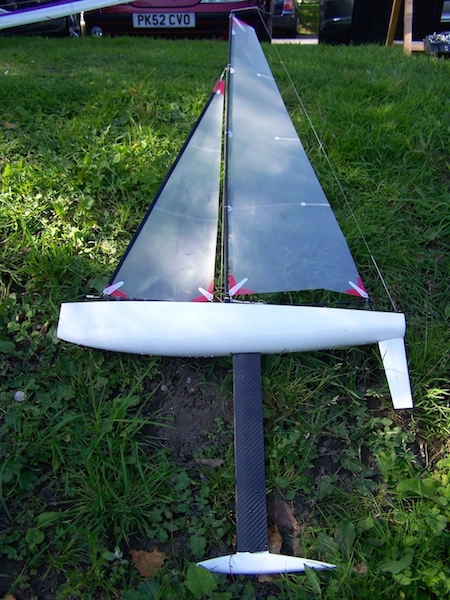
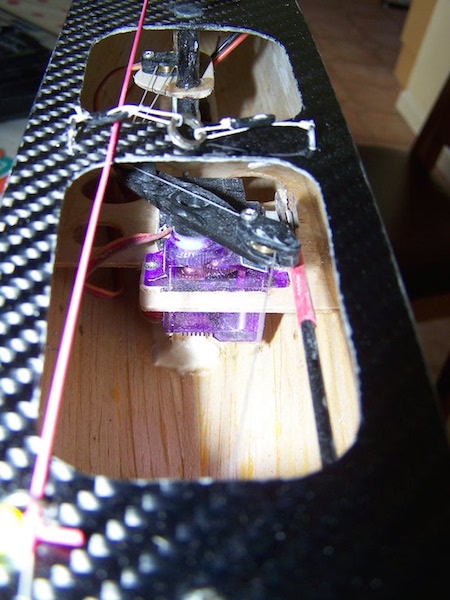
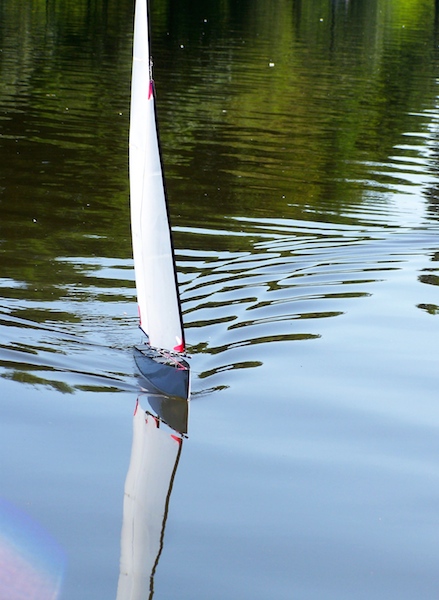
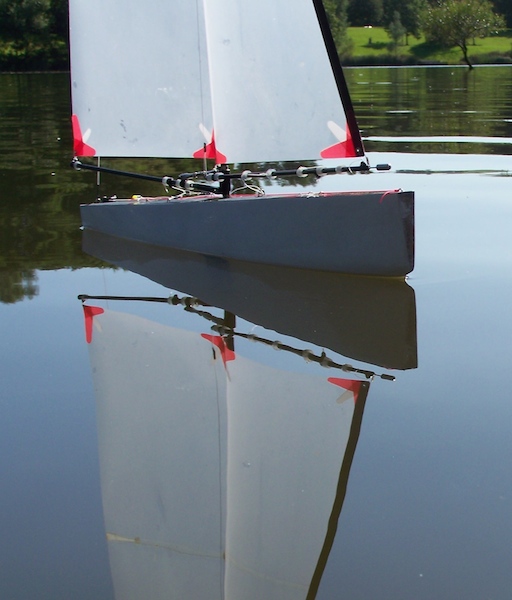
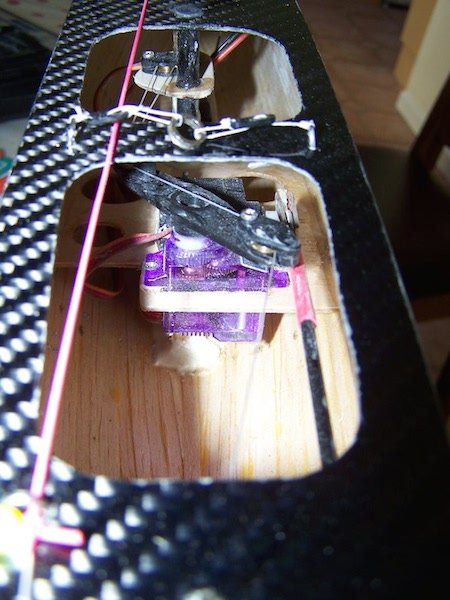
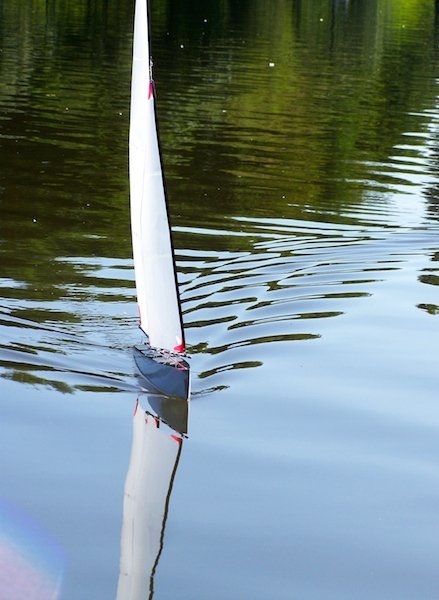
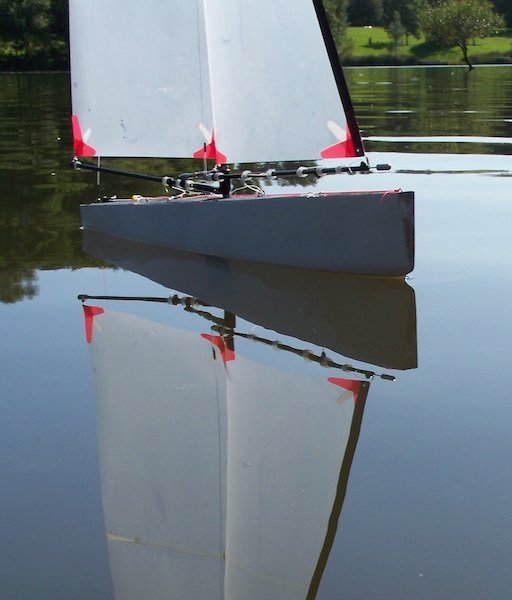
Yesterday I maidened my first attempt at designing and building and RG65 (Rebel). Her waterline beam is 85mm and her overall weight is 940g encompassing a fin & bulb 555g and current rig 85g. The 55mm width servo arm sail pulley system works fine and the batteries are positioned under the mast feet on the bottom of the hull. The only slight disappointment is that the transom sits a little lower in the water than I would have hoped. Other than that I'm pretty pleased.
-
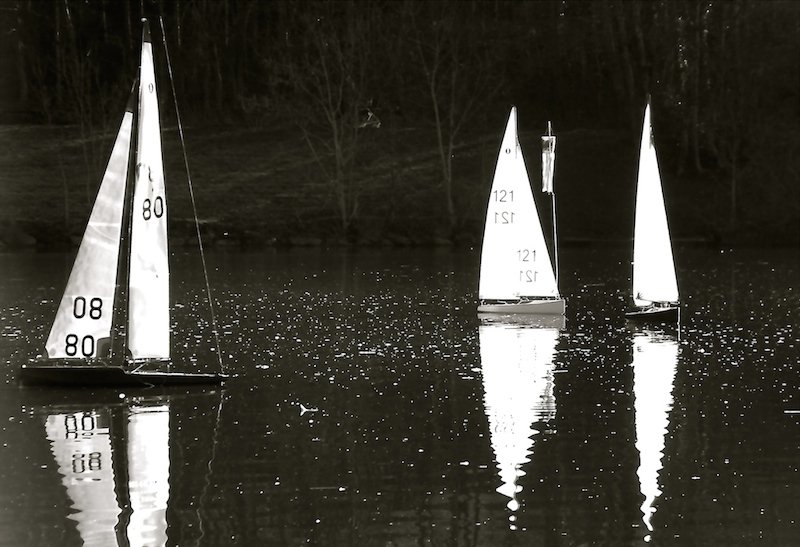
Hi Stephen Burgees on IOM's are fairly rare but jib tell tales are pretty common. As you know, the tell tales can't tell you which direction the wind is coming from but are probably the best remote indication of the wind to rig perspective. At our Club we stick a small windsock in the proximity of the race course to help the members read the wind direction, shifts. However, when there's no wind!
-
My son is and has been a MYA junior member since the end of April. Following the above post I have had a long and very positive telephone discussion with the MYA's Chairman. Perhaps it wasn't very prudent of me to post the above message, perhaps I should have contacted the relevant parties beforehand and perhaps most importantly we shouldn't trust Royal Mail!
-
Last Fridays MYA's news feed was congratulating the Treasurers son for leading the Fleetwood DF series. This appeared very ironic as my son has been patiently waiting to join, hear from the MYA for the past 7 weeks! Our Club Treasurer sent off his membership details and monies on the 25th April and has recently written a letter wanting an explanation for the prolonged delay. We have unofficially heard that he is on a register. This is not exactly a great start to this sport for my son and doesn't help to encourage participation which is one of the main goals of the association.
-
Since the RG 65 and Dragon Force are now an affiliated MYA Class does this mean we can use our own Personal Sail Numbers or is my Personal Number only applicable to the Class it was registered with i.e IOM
-
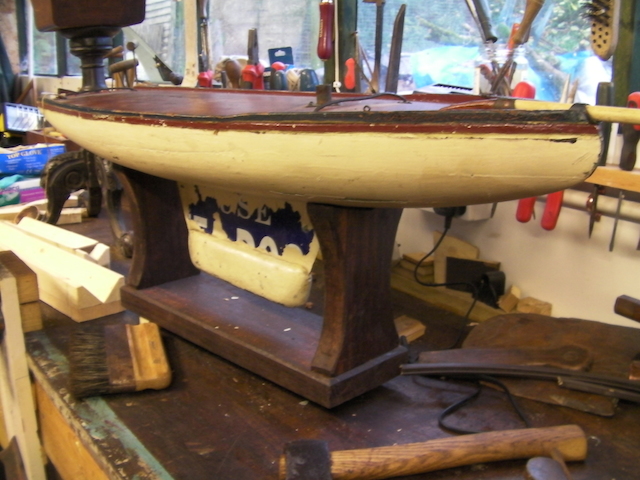
Hi All I visited a friend last Saturday to help identify and to offer some advice. He had recently been left an old pond yacht but there was no rigging or sails. With the help from another forum and VMYC website we now believe the model to be either a 5 Rater or 36R. Due to the skimming dish design and that we think it was built during the late 1800's a 5 Rater is more probable than the 36R which was adopted as a Class in 1929. I have looked but there doesn't appear to be a lot of information about the 5 Rater pond yacht and racing designs on the net. Does anybody have any old photo's or information they would like to share. Our goal is to give this old lady a sympathetic refurbishment so any help would be gratefully received. Many thanks Mk

-
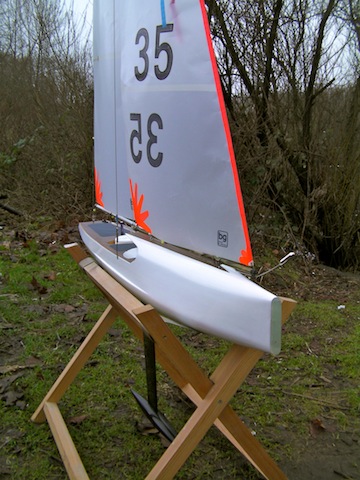
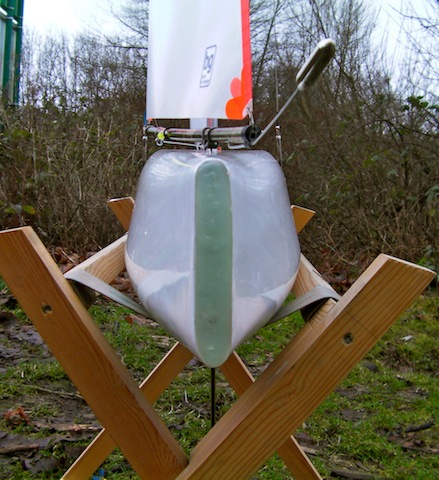
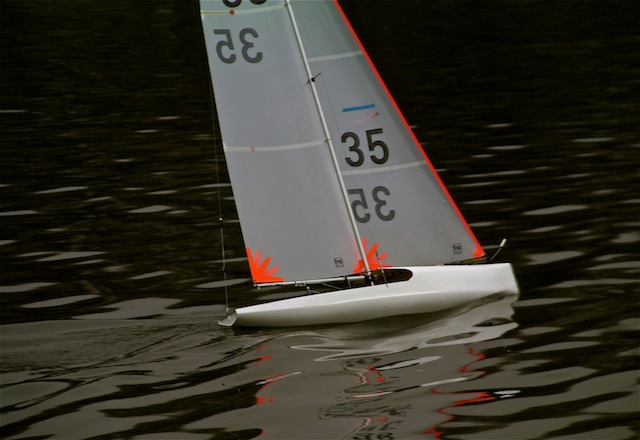
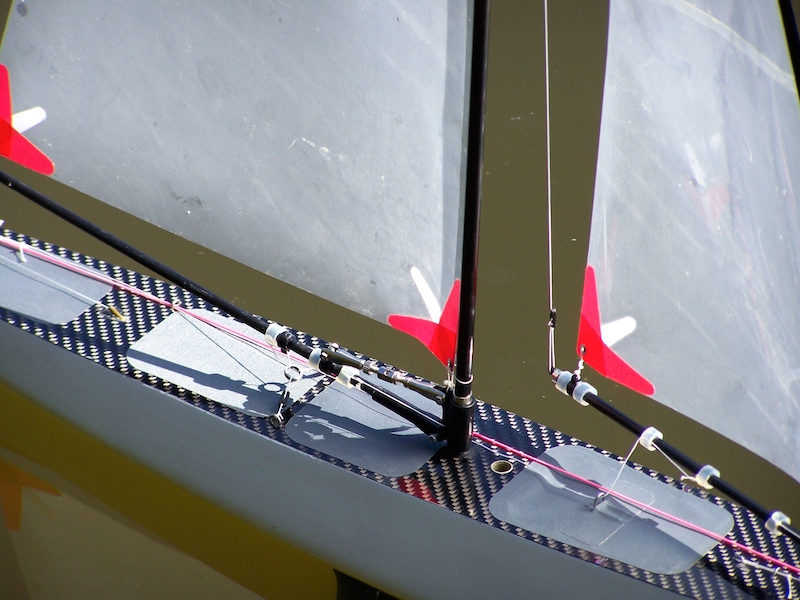
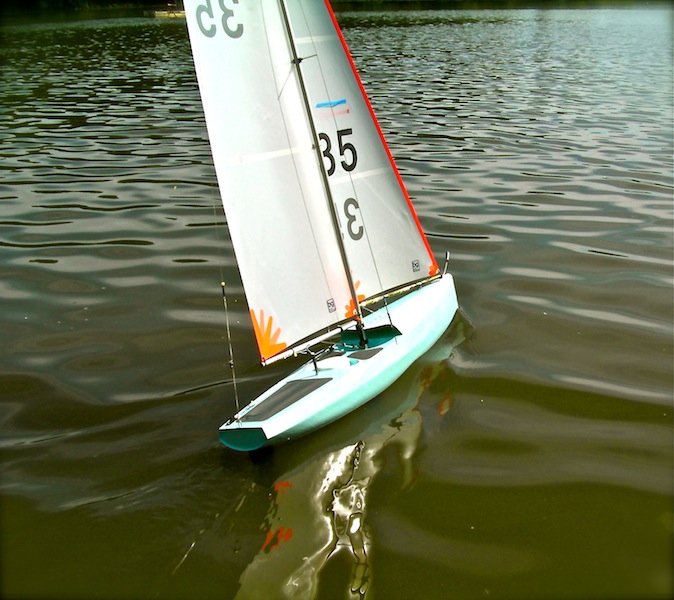
This is my second completed IOM build of 2014 and my 5th since 2011. With a slight break from tradition I have constructed the hull shell and foredeck from GRP and rear deck from 2mm liteply. I normally adopt a balsa core GRP skinned approach. During the construction I was quite surprised how soft and spongy the all GRP hull was compared to the much stiffer balsa core so I did introduce local reinforcement to the chines and mid-ship, high load areas. The up shot of which produced a hull which was slightly less than a 100g lighter than my normal balsa/GRP builds. I have kept a build log here: http://soaring-sailing.blogspot.co.uk/ Following the maiden you might notice that the corrector weight needs to be fitted further aft Spec: Vertex IOM Titan winch Futaba 3003 rudder servo (for the moment) 2S 1000mAh LiPo 308g A,B & C rigs 230g Corrector weight =1500g + Fin & Bulb = 4kg

-
Thick, medium or thin CA glue depending on fit. Not flexible but did the job on both mine and a friends IOM.
-
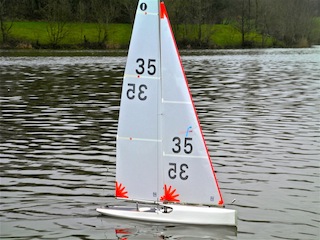
Thanks John Any homebuilt IOM which requires corrector weight is a success in my book and the amount used depends a lot on the winch and batteries. However, glues and resins weigh more than balsa so being clean and careful pays dividends. Here is the link to my building log antics: http://soaring-sailing.blogspot.co.uk/ And just a couple more photo's as I'm like a proud father at the moment.


-
Edge is my fourth IOM design and build project which I will use to compete at my local Club and a couple of district events through out the year. She is made from a Balsa core and laminated with 200g & 80g/m2 weight FG. Prior to glassing the decks a walnut veneer was applied. Edge's maiden was quite a short affair but none the less she floats, beats and runs. The corrector weight of approximately 165g or 5.8oz will be positioned just behind the keel box as the bow was just touching the water as the transom was just above. So all in all her longitudinal balance is just about as expected. Her beam is 180m, transom 95mm and the C/L of the mast is 500mm from the transom. C/L of mast to L/E fin 15mm. Whilst beating her helm was very neutral which is fine as a bit of rig tuning can feed in a touch of weather helm. Edge's general speed and tacking appeared fast enough but extremely difficult to judge without any comparisons.