Roger Crates
MYA Member
-
Joined
-
Last visited
Everything posted by Roger Crates
-
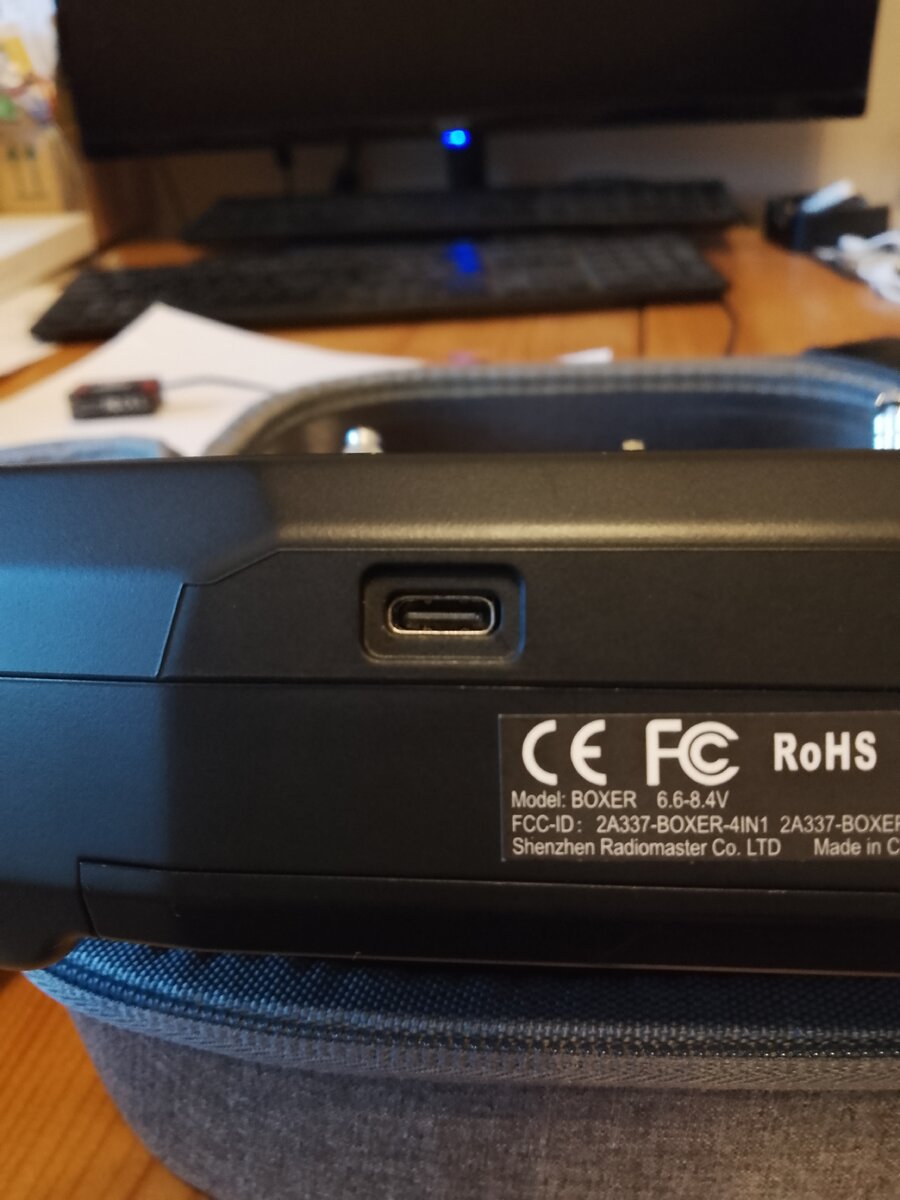
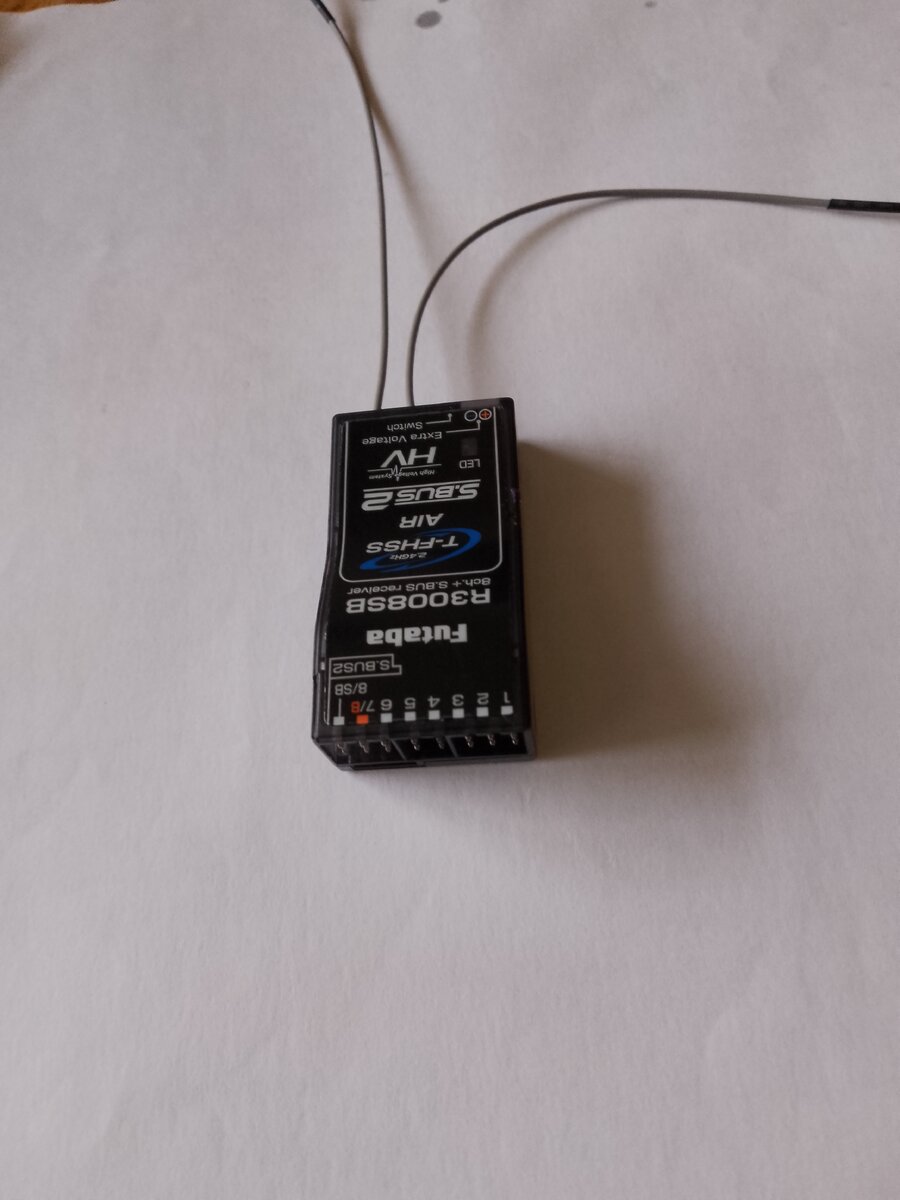
By the way , they charge 15euros for that optionPlease, for the moment could we stick to the option to buy pre measured sails from UK sail makers. Not just Sail Boat RC of CroatiaI recently had an article, about buying pre measured sails, published. I understand that there have been a few comments posted on Face Book. I do not use Face Book and have not directly read the posts, but am responding here to what I have heard. So firstly I apologise if I have been misinformed, but here goes. I don't understand why our Sail Makers appear to be looking for problems and not solutions. My article was not about 'IHC In House Certification' or getting around the rules. As I understand it, IHC is where a company directly employs its own sail measurer. An independent MYA measurer, measuring a clients suit of sails, is working for the purchaser, not the sail maker. If a sail maker is concerned about conflict of interest or liability, then they could stipulate, that the customer phones the measurer and asks them to measure sails. Where they are measured is irrelevant. The sails have to be measured somewhere. There are no additional costs for the Sail Maker, other than to update web sites to include the option, to buy pre measured sails. The independent MYA measurer is paid by the purchaser separately to the cost of the sails. The sail maker has no input in the process other than to pass the clients payment to the measurer (even that could be avoided by bank transfer between client and measurer) and to ship the measured sails to the happy customer. For One Design classes, why are we complicating , what is such a simple process?To continue the explanation for the XT30 connector. I just came across the Stinger winch specifications, see below. Stinger Winch Features/Specifications@6.0v, @7.4v Speed:3.14rev p/sec, 3.78rev p/sec No. Turns:66 Weight:145g, 145g Stall Current:6.6A, 7.7A So the stall current at 7.4 volts is 7.7Amps. The Futaba connector is only continuously rated at 3Amps. Whilst the winch is unlikely to ever stall it is does show that it is able to draw far more current than a Futaba connector is designed to handle. Hence my advice to use an XT30 connectorAn XT30 connector as supplied with LiPo 7.4 Volt batteries is continuously rated at 15amps, 30amps max. Futaba connectors are only continuously rated at 3 amps, so connecting a 7.4Volt LiPo battery to an Rx with a Futaba connector is not just bad practice, it is likely to overheat and because of the smaller gauge cable used, have considerable volt drop thus reducing the speed of the winchp.s. As you proved on a number of occasions during that mornings racing, the quickest course to the down wind gate was generally to immediately gybe and head off shore where there was more windHi Darin, The fact that the mark was close to a shore is irrelevant , except to say that the leeward boat did not bear away and carried on reaching towards a shore that had a wind shadow. So the reaching course was definitely not that boats quickest course to the next mark, ie, its 'proper course'. The fact that the windward boat eventually collided with the leeward boat, having been take wide of the mark, is also not relevant to the rule 17 controlled mark rounding as it was a separate incident that happened later. I suggest that we accept John's interpretation as correct. "Proper course is subjective, but bearing away to a downwind course of some type is reasonable. Holding on to the reach or going higher does not seem reasonable."Hi John, Thank you once again. By the way your rules explanation web site is brilliant and I will forward the link to all my sailing contacts. https://sites.google.com/site/johnsrcsailingrulesandtactics/ RogerHi John, thankyou so much for your time and the schematic explanation. That is exactly what occurred. To clarify and avoid any confusion, could you confirm that the proper course for the green boat, is to bear away onto a run, or very close to it, after rounding mark 2Hi John, Thank you for you insight. In the case I mention, we were sailing a windward leeward course. I rounded the windward mark clear ahead, the other boat had over stood slightly, so was reaching in and because of her higher speed gained an overlap close to leeward, after rounding. Could you clarify what you consider the proper course of the leeward boat to be after passing the offset mark. i.e. How high would they be permitted to sail? The leeward gate was dead downwind some 150 meters away. Thanks againHi, I was recently windward boat, rounding a port hand windward spreader mark and the boat, to which I had given mark room, did not bear away on to its Proper Course after rounding the mark. Please advice me if it was in breach of Rule 17, which I believe does not just apply to running boats but anywhere, where boats become overlapped. My understanding of the current Proper Course definition, is, the fastest course to the next mark 'in the absence of other boats'. So rule 17 does not allow you to sail high, to get clear wind from other boats. It is the course you would sail if no other boats were present. When a boat gives another boat mark room (water) at a windward spreader mark, I believe that the inside boat. which established its overlap within 2 boats lengths to leeward, has an obligation to immediately bear away onto their Proper Course (a run). I believe that if the boat given mark room makes no attempt to bear away and continues to sail high then it is in breach of rule 17 and should complete a penalty turn. Am I correct in my interpretation of rule 17? Thankyou in advanceRule 14(b) is entirely new. It states; ' If reasonably possible, a boat shall not cause contact between boats' I believe that new rule ,14(b), in conjunction with 16.1 means that a leeward boat can no longer luff and cause contact with a windward boat and claim , windward boat keeps clear. The leeward boat that luffs would be breaking 14(b) and should make a penalty turn. Is my interpretation correct?I have been using the Red Ant Stinger winch in my boats for two years. They are fast and reliable. Just make sure that if you are using a Futaba transmitter, you disable the Fail Safe (F/S) setting on the first page of the menu by selecting Normal for channel 3. That way the winch will sheet in when you turn your receiver off. Make sure that you get one with an XT30 battery connector. Phil Holiday at K7yachts supplies them. Was £175 pounds, delivered. My new Venti was supplied fitted with one, without a direct battery cable so the power supply had to go through the Rx. The winch can pull a lot of current, so I have swapped that winch for anotherRelating to the Vang issue. As far as I can tell nobody has mentioned Rule F.2.3 I quote. F.2.3. states; THE FUNCTION OF ITEMS SHALL BE LIMITED TO WHAT IS NORMALLY PROVIDED BY ITEMS OF THEIR TYPE. i.e a Vang only controls the height of a boom. The Sailboat RC Vang attaches to the boom significantly further aft (40 to 50mm) than required solely to hold the boom down. Thus allowing the vertical plate element of the Vang to effect air flow under the boom and as such does not comply with F.2.3.